
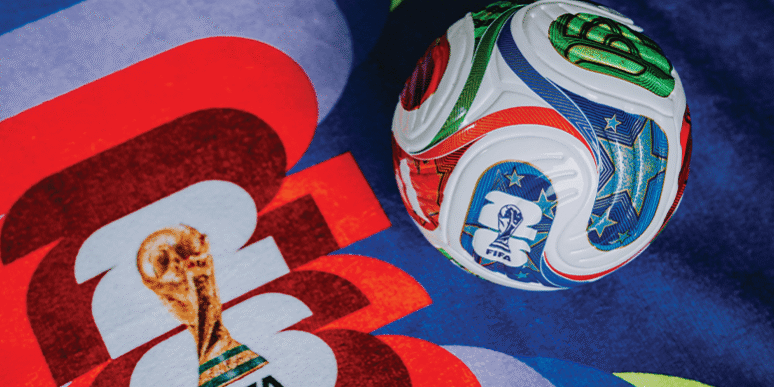
Next month, the 2026 FIFA World Cup kicks off across the US, Canada and Mexico, with the US hosting games for the first time since the 1994 iteration of the tournament.
For New Jersey, the event marks a significant opportunity because the Garden State will host eight matches at MetLife Stadium in East Rutherford, including the prestigious final on July 19.
The quadrennial tournament will have an estimated 6 billion viewers worldwide, and will provide New Jersey with an opportunity to reap some massive economic benefits. According to Alex Lasry, CEO of the New York New Jersey Host Committee, the tournament is expected to generate more than $3.3 billion in direct economic impact across the region, namely from spending from fans, teams, and FIFA flowing into hotels, restaurants, transportation, and local businesses.
“Beyond that, we’re looking at more than $1 billion in labor income and more than 26,000 jobs supported across the region,” Lasry tells New Jersey Business Magazine. “New Jersey is going to see a significant share of that, especially across hospitality, tourism, and small businesses that are positioned to engage with fans throughout the tournament.”
Statewide Initiatives
In February, New Jersey officials announced the cancellation of the large-scale FIFA Fan Festival that was to be held at Liberty State Park in Jersey City, an event originally designed to be a major hub for all 104 matches. Instead, the state is redirecting $5 million to fund decentralized local watch parties and community events.
Lasry says this network of Fan Zones and community celebrations will be spread across all 21 counties and serve as a cornerstone of the region’s official fan engagement program.
“These statewide Fan Zones and activations [will be] designed to engage local communities and visitors alike,” says Lt. Gov. Dr. Dale Caldwell, who oversees the New Jersey Division of Travel & Tourism in his capacity as Secretary of State. “These vibrant gathering spaces will bring the energy of the tournament to cities and towns across the Garden State, offering live match broadcasts, cultural programming, food, music and interactive experiences.”
Lasry says that ensuring local businesses of all sizes can plug into the moment is one of the Host Committee’s largest priorities.
“There are a number of entry points, whether it’s through sourcing ideas from our Community Engagement Toolkits, the New Jersey Economic Development Authority’s World Cup Community Initiative, or working directly with local chambers and community partners,” he says.
Another major opportunity for businesses that has been announced is the Plaza de Fútbol at American Dream, scheduled to run from June 11 through July 19. “This initiative is expected to provide booth space for nearly 1,000 small businesses over the course of the tournament in a climate-controlled venue, allowing them to sell products and services to an estimated 100,000 guests per day visiting the complex,” says Gus Penaranda, president and CEO of Jersey City-based Evolvere Consulting.
Additionally, the Meadowlands Chamber of Commerce, along with regional partners, has announced the Flag Cities 2026 program, a series of fan festivals scheduled in the days leading up to the matches at MetLife Stadium.
“We want the opportunity to showcase our communities and local businesses,” says Jim Kirkos, president & CEO of the Meadowlands Chamber. “Those of us who live and work here know how great our communities are, but they (visitors) do not.”
The events, which will be held in Jersey City, Overpeck Park, Secaucus, Newark, and the Rutherfords, will include live broadcasts of games, food trucks, beer gardens, live music, DJs, kids’ zones with family-friendly activities, shopping vendors, and more.
Taking Advantage of Foot Traffic
Penaranda says that while the World Cup itself is not traditionally a direct revenue-generating event for small businesses – since much of the profits are largely tied to global corporate sponsorships and broadcast rights – local small businesses located near event destinations, stadiums, or major tourist routes can experience a significant increase in foot traffic.
“For those businesses that are properly prepared, this surge in visitors can translate into meaningful increases in revenue,” he says. “For example, in Newark’s Ironbound district, Ferry Street is expected to be closed to traffic on June 13 when Brazil faces Morocco, with an estimated 70,000 to 100,000 visitors expected to gather in the area. Restaurants, retailers, and other small businesses along Ferry Street are likely to see a major increase in customers during this time.”
“The lasting impact to a local business is exposing the business to the community at large and visitors,” explains Kirkos. “World Cup festivities will cause families to spend discretionary dollars on dining out, having fun and even buying souvenirs from local shops and restaurants. Some will venture into shops for the first time seeking new experiences. If they have a good experience they will come back again … that’s how the impact continues.”
He adds that small businesses need to be proactive if they want to fully take advantage of the opportunity the World Cup presents.
“Make your websites, store fronts and social media welcoming to visitors,” Kirkos says. “Use this moment to gain some marketing savvy so you can showcase and elevate your brand.”